
Unraveling the Innovation of Wavr-297: Revolutionizing Virtual Reality
In the realm of technology, the landscape is constantly evolving, pushing the boundaries of what we thought possible. Among the latest innovations making waves is Wavr-297, a groundbreaking advancement in the realm of virtual reality (VR). Let’s delve into the intricacies of Wavr-297 and explore how it’s reshaping our digital experiences.
Introduction to WAVR-297
Wavr-297 represents a paradigm shift in the world of virtual reality, offering users an unparalleled level of immersion and interactivity. Developed by a team of visionary engineers and designers, this cutting-edge VR system combines state-of-the-art hardware with innovative software solutions to create lifelike simulations that blur the lines between reality and virtuality.
Immersive Experiences
At the core of Wavr-297 is its ability to deliver immersive experiences that transport users to virtual worlds unlike anything they’ve ever experienced before. With high-resolution displays, advanced motion tracking, and spatial audio technology, users can explore virtual environments with unprecedented realism and detail. Whether diving into the depths of the ocean, soaring through the cosmos, or navigating futuristic cityscapes, Wavr-297 offers an immersive journey into the realms of imagination.
Revolutionary Interaction
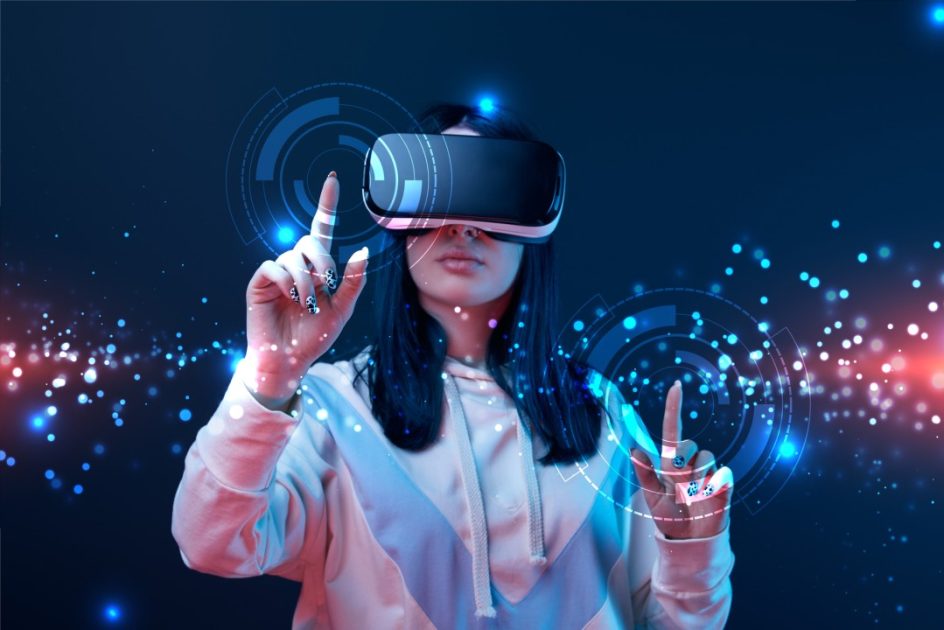
What sets Wavr-297 apart is its revolutionary interaction capabilities, allowing users to engage with virtual environments in ways previously unimaginable. Thanks to advanced haptic feedback systems and intuitive gesture recognition, users can interact with virtual objects and characters with lifelike precision and responsiveness. From picking up objects and manipulating them in three-dimensional space to engaging in virtual conversations with AI-driven NPCs, Wvr-297 redefines the concept of user interaction in virtual reality.
Applications Across Industries
The potential applications of Wavr-297 extend far beyond entertainment, with implications for industries ranging from healthcare and education to engineering and design. In healthcare, the system could be used to simulate medical procedures and training scenarios, allowing healthcare professionals to hone their skills in a risk-free environment. In education, it could revolutionize the way students learn, offering immersive experiences that bring textbooks to life and make abstract concepts tangible.
Challenges and Considerations
While Wavr-297 holds tremendous promise, it also presents challenges and considerations that must be addressed. Chief among these is the issue of accessibility and affordability, as high costs and technical requirements may limit widespread adoption. Additionally, there are ethical considerations surrounding the use of VR technology, particularly in areas such as data privacy, content moderation, and the potential for addiction or misuse.
Conclusion
In conclusion, Wavr-297 represents a monumental leap forward in the evolution of virtual reality technology. With its immersive experiences, revolutionary interaction capabilities, and diverse applications across industries, it has the potential to transform the way we work, learn, and play in the digital age. However, as with any technological innovation, it’s essential to approach Wvr-297 with careful consideration of its implications and challenges. By harnessing its power responsibly and ethically, we can unlock new realms of possibility and usher in a new era of immersive digital experiences.