
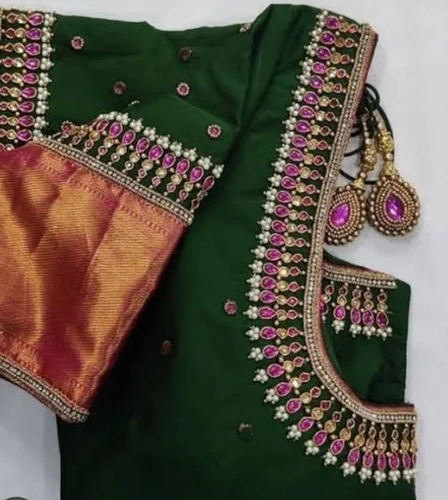
Aari work, also known as Aari embroidery, is a traditional form of needlework that has been cherished for centuries. Originating in the Mughal era, this intricate embroidery technique has found a special place in the heart of Chennai, where artisans continue to uphold the heritage and craftsmanship associated with it. The vibrant city of Chennai, known for its rich cultural tapestry, has become a hub for Aari work, drawing admirers from around the globe. In this blog post, we will delve into the history, techniques, and contemporary relevance of Aari work in Chennai.
The Rich History of Aari Work
Aari work has its roots deeply embedded in the Mughal period, a time when intricate embroidery was a symbol of luxury and royalty. The technique involves using a specialized needle, known as an ‘Aari,’ to create elaborate designs on fabric. This form of embroidery was traditionally used to adorn royal attire and ceremonial garments. Over time, Aari work spread to different parts of India, including Chennai, where it was embraced and evolved with local influences.
Techniques and Tools of Aari Work
The art of Aari work requires precision, patience, and skill. The primary tool, the Aari needle, is a long, narrow hook that resembles a crochet needle. Artisans use this needle to create chain stitches, which are the foundation of Aari embroidery. The process begins by stretching the fabric tightly over a wooden frame, ensuring that the surface is smooth and taut. The artisan then uses the Aari needle to pull the thread through the fabric, creating loops that form intricate patterns.
In Chennai, Aari work is often embellished with beads, sequins, and mirrors, adding a touch of sparkle to the designs. This embellishment process requires meticulous attention to detail, as each bead and sequin must be placed precisely to achieve the desired effect. The combination of traditional techniques and modern embellishments has made Aari work in Chennai truly unique.
Aari Work in Chennai: Preserving Tradition
Chennai, with its deep-rooted cultural heritage, has become a sanctuary for traditional crafts, including Aari work. The city is home to numerous skilled artisans who have dedicated their lives to mastering this intricate embroidery technique. These artisans, often hailing from families with a long lineage of embroiderers, pass down their skills from one generation to the next, ensuring that the tradition of Aari work remains alive.
The thriving markets of Chennai, such as T. Nagar and Mylapore, are famous for their exquisite Aari work garments. Shoppers from all over India and beyond flock to these markets to purchase beautifully embroidered sarees, blouses, and lehengas. Each piece of Aari work tells a story of craftsmanship and dedication, reflecting the artisan’s love for their craft.
Contemporary Applications of Aari Work
While Aari work has a rich historical background, it has also adapted to contemporary fashion trends. Designers in Chennai are now incorporating Aari embroidery into modern clothing and accessories, making it a popular choice for weddings, festivals, and other special occasions. The versatility of Aari work allows it to be used on a variety of fabrics, including silk, velvet, and georgette, giving designers the freedom to experiment with different textures and styles.
In addition to traditional garments, Aari work is now being used to create statement pieces such as embroidered clutches, shoes, and home décor items. The fusion of traditional techniques with contemporary designs has opened up new avenues for Aari work, attracting a younger generation of fashion enthusiasts who appreciate the beauty and intricacy of this craft.
The Role of Workshops and Training Centers
To ensure the continued growth and popularity of Aari work in Chennai, several workshops and training centers have been established. These institutions offer courses for aspiring artisans, teaching them the fundamental techniques of Aari embroidery. By providing hands-on training and expert guidance, these workshops play a crucial role in preserving the tradition of Aari work.
Many of these training centers also focus on empowering women, offering them opportunities to learn Aari work and earn a livelihood. By promoting gender equality and economic independence, these initiatives contribute to the socio-economic development of local communities. The success stories of women artisans who have mastered Aari work and transformed their lives serve as a testament to the impact of these training programs.
Challenges and Future Prospects
Despite its cultural significance and popularity, Aari work in Chennai faces several challenges. The labor-intensive nature of the craft, coupled with the availability of cheaper machine-made alternatives, poses a threat to the livelihood of traditional artisans. Additionally, the rising cost of raw materials and the time required to complete intricate designs make it difficult for artisans to compete in the mass market.
However, there is hope on the horizon. The increasing demand for sustainable and handmade products has led to a renewed interest in traditional crafts like Aari work. Conscious consumers are now seeking out unique, handcrafted items that tell a story and support local artisans. By promoting the cultural and economic value of Aari work, stakeholders in Chennai can help ensure the longevity of this beautiful craft.
Supporting Aari Artisans in Chennai
To support the artisans who dedicate their lives to Aari work, several organizations and NGOs are working towards creating sustainable business models. These initiatives focus on providing artisans with access to markets, fair wages, and opportunities for skill development. By creating awareness about the importance of preserving traditional crafts, these organizations play a vital role in promoting Aari work in Chennai.
Consumers can also contribute to the preservation of Aari work by choosing to purchase authentic, handcrafted items directly from artisans or through platforms that support fair trade. By valuing the time, effort, and skill that goes into creating each piece of Aari work, consumers can help sustain this beautiful craft for future generations.
Conclusion
Aari work in Chennai is more than just a form of embroidery; it is a testament to the city’s rich cultural heritage and the dedication of its artisans. From its historical roots to its contemporary applications, Aari work continues to captivate and inspire. By supporting the artisans and appreciating the intricate beauty of Aari embroidery, we can ensure that this timeless craft remains a cherished part of Chennai’s cultural landscape for years to come.


