
Composite Decking vs. Wood: Which Is the Best Choice for Your Deck?
Composite Decking vs. Wood: Which Is the Best Choice for Your Deck?

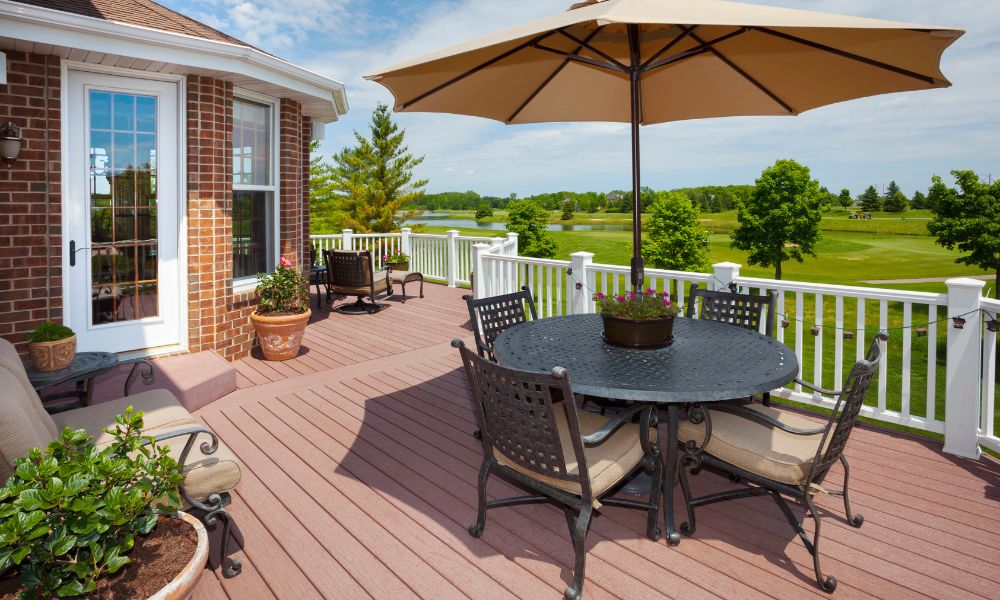
Imagine you’ve just hosted a summer barbecue on your new deck, only to find the wood splintering and fading after just one season. When it comes to choosing between composite decking and traditional wood, it’s crucial to weigh factors like durability, maintenance, and overall aesthetics. While composite materials promise longevity and ease of upkeep, wood offers a timeless charm that many homeowners cherish. So, what’s the best option for your lifestyle and budget? Understanding the strengths and weaknesses of each can help you make a more informed choice.
Overview of Composite Decking
When considering decking options, composite decking stands out as a versatile choice that blends aesthetics with durability.
Its installation process is streamlined compared to traditional wood, often requiring fewer tools and less time. You’ll appreciate the ease of working with interlocking boards and hidden fasteners, which creates a seamless finish.
Composite decking also offers a wide array of color options, allowing you to customize your outdoor space to match your style. From rich browns to vibrant hues, you can find a shade that suits your preference and landscape.
Additionally, the material’s resistance to fading and staining ensures that your deck remains beautiful over time, making composite decking a practical investment for any homeowner looking to enhance their outdoor living area.
Overview of Wood Decking
While many homeowners appreciate the classic appeal of wood decking, it’s essential to understand its characteristics and maintenance needs.
Different types of wood, such as cedar, redwood, and pressure-treated pine, offer unique benefits and challenges. Cedar and redwood are naturally resistant to decay but can be more expensive, while pressure-treated pine is budget-friendly but requires regular maintenance.
To enhance longevity, consider wood treatments like sealants and stains, which protect against moisture and UV damage. Regular upkeep, including cleaning and reapplying treatments, is crucial to prevent warping, splitting, or insect infestations.
Ultimately, selecting wood decking means balancing aesthetic preferences with practical considerations for longevity and maintenance.
Aesthetic Appeal
When considering aesthetic appeal, the natural beauty of wood often draws you in with its unique grain patterns and warmth.
However, versatile composite designs offer an attractive alternative, allowing you to achieve a tailored look without sacrificing durability.
Natural Beauty of Wood
Wood’s natural beauty is undeniable, captivating with its rich textures and warm tones that bring a unique charm to any outdoor space.
The intricate wood grain showcases a variety of patterns, each plank telling its own story. When you choose wood, you’re not just selecting a material; you’re embracing the organic appeal of natural textures that evoke a sense of tranquility and connection to nature.
Whether it’s the rustic look of cedar or the elegant finish of mahogany, wood enhances your deck’s aesthetic with an authentic warmth that composites often struggle to replicate.
Additionally, wood’s ability to age gracefully, developing a patina over time, adds to its allure.
In essence, wood’s timeless elegance makes it a compelling choice for your deck.
Versatile Composite Designs
Composite decking offers remarkable versatility in design, allowing you to create stunning outdoor spaces tailored to your aesthetic preferences.
With its design flexibility, you can easily customize your deck’s shape, size, and layout to fit your unique vision. Unlike traditional wood, which often limits your choices to a few natural hues, composite decking provides a wide array of color options—from rich browns to vibrant grays—enabling you to select the perfect shade to complement your home and landscape.
Additionally, you can mix and match colors and textures for added visual interest, enhancing the overall appeal of your outdoor area.
This adaptability not only elevates the aesthetic but also ensures that your deck remains stylish and functional for years to come.
Durability Comparison
Durability stands as a crucial factor when choosing between composite decking and traditional wood.
Composite decking typically excels in weather resistance, allowing it to withstand moisture, UV rays, and temperature fluctuations without warping or splintering.
You’ll find that many composite materials have a lifespan expectation of 25 to 30 years, significantly outlasting most wood options, which often require replacement after 10 to 15 years with proper care.
While treated woods can enhance durability, they still can’t match the resilience of composites against rot and insect damage.
Ultimately, if you prioritize longevity and minimal deterioration, composite decking is likely your best choice.
Consider your climate and usage patterns to make an informed decision that meets your durability needs.
Maintenance Requirements
When it comes to maintenance, you’ll find significant differences between composite decking and traditional wood.
Composite materials typically require less frequent cleaning and minimal long-term repairs, while wood demands regular upkeep to prevent rot and splintering.
Understanding these maintenance requirements can help you make an informed decision that aligns with your lifestyle and expectations.
Cleaning Frequency Comparison
Regularly assessing your decking’s cleanliness is crucial for both composite and wood materials, as it directly impacts longevity and aesthetic appeal.
Composite decking typically requires less frequent cleaning due to its resistance to stains and mildew. You can often rely on simple cleaning methods, like a hose and mild detergent, to maintain its appearance.
In contrast, wood requires more diligent upkeep, needing specialized cleaning products to prevent rot and pests. You’ll have to sweep and wash wood decks more often, ideally every few months.
For both materials, addressing spills promptly minimizes long-term damage. Ultimately, understanding these cleaning frequency differences helps you choose the decking that aligns with your maintenance preferences and lifestyle.
Long-Term Durability Factors
In assessing long-term durability, the maintenance requirements of composite decking and wood are crucial to consider.
Composite decking typically demands less upkeep, thanks to its superior weather resistance. Unlike wood, which requires regular sealing and staining to maintain its appearance and prevent rot, composite materials retain their color and structural integrity without frequent treatments. This significantly enhances material longevity, allowing you to spend more time enjoying your deck rather than maintaining it.
In contrast, wood decks may develop splinters, warping, or insect damage over time, necessitating more frequent repairs. By choosing composite decking, you’re investing in a low-maintenance solution that stands up to the elements, ultimately saving you time and money in the long run.
Repair and Replacement Needs
Many homeowners find that the repair and replacement needs of their decking material greatly influence their long-term satisfaction.
When considering repair costs and replacement frequency, it’s crucial to weigh the pros and cons of composite decking versus wood.
- Composite decking typically requires less frequent replacement due to its durability.
- Wood decks often need annual maintenance, including staining and sealing.
- Repair costs for wood can accumulate quickly, especially if rot or insect damage occurs.
- Composite materials resist fading and splintering, reducing the need for repairs.
Ultimately, choosing the right decking material can save you time and money, enhancing your outdoor experience without the stress of constant upkeep.
Cost Analysis
When comparing the cost of composite decking and traditional wood, it’s essential to consider both initial expenses and long-term investments.
Typically, the initial investment for composite decking is higher than wood; however, this upfront cost can be offset by long-term savings. Composite materials require less maintenance, eliminating frequent staining or sealing, which can add up over time.
You’ll also avoid costs associated with rotting or splintering wood, as composite decks last longer and resist environmental damage.
While wood may seem cheaper initially, the ongoing maintenance and potential repairs can make it more expensive in the long run.
Ultimately, evaluating your budget and lifestyle will help you determine which option provides the best value for your decking needs.
Environmental Impact
Considering the environmental impact of decking materials is crucial for making an informed choice.
When you evaluate composite decking versus wood, consider the following aspects:
- Sustainability Practices: Composite decking often incorporates recycled materials, reducing the demand for new resources.
- Deforestation: Wood decking can contribute to deforestation if sourced unsustainably, impacting biodiversity.
- Longevity: Composite materials tend to last longer, minimizing the need for replacement and reducing waste.
- Recycling Options: Many composite products offer recycling options at the end of their life cycle, promoting a circular economy.
Conclusion: Making Your Choice
The choice between composite decking and wood ultimately hinges on your specific needs and values.
As you evaluate decking trends, consider factors like durability, maintenance, and aesthetic appeal. Composite decking offers low maintenance and resistance to weathering, making it a practical choice for busy homeowners.
On the other hand, wood brings timeless beauty and can be more cost-effective upfront, but requires regular upkeep.
When assessing buyer considerations, think about your long-term plans—do you want a deck that lasts with minimal intervention, or are you willing to invest time and effort for the authentic feel of wood?
Ultimately, weigh the pros and cons against your lifestyle and preferences to make an informed decision that enhances your outdoor space.
Why You Choose Tassie Steel and Timber Pty Ltd
Transform your home’s potential with Tassie Steel & Timber, where we bring expertise to every aspect of indoor and outdoor construction. Our services cover everything from beautiful timber decking to efficient carports, outdoor kitchens, and custom-built office pods. For those interested in unique living solutions, we also specialize in creating tiny houses that offer comfort and style in compact spaces. Operating in Hobart, Launceston, and Devonport, Tassie Steel & Timber is committed to quality craftsmanship, making your dream space a reality.
Conclusion
In conclusion, choosing between composite decking and wood hinges on your lifestyle and preferences. Consider this: composite decking can last up to 25-30 years, while traditional wood typically requires replacement every 10-15 years due to wear and weathering. If you value low maintenance and longevity, composite might be your best bet. However, if you prefer the classic charm of wood and don’t mind regular upkeep, wood could suit your aesthetic needs perfectly. Make your choice wisely!


