
Energy Efficiency and Roof Replacement: How a New Roof Can Save You Money
Energy Efficiency and Roof Replacement: How a New Roof Can Save You Money

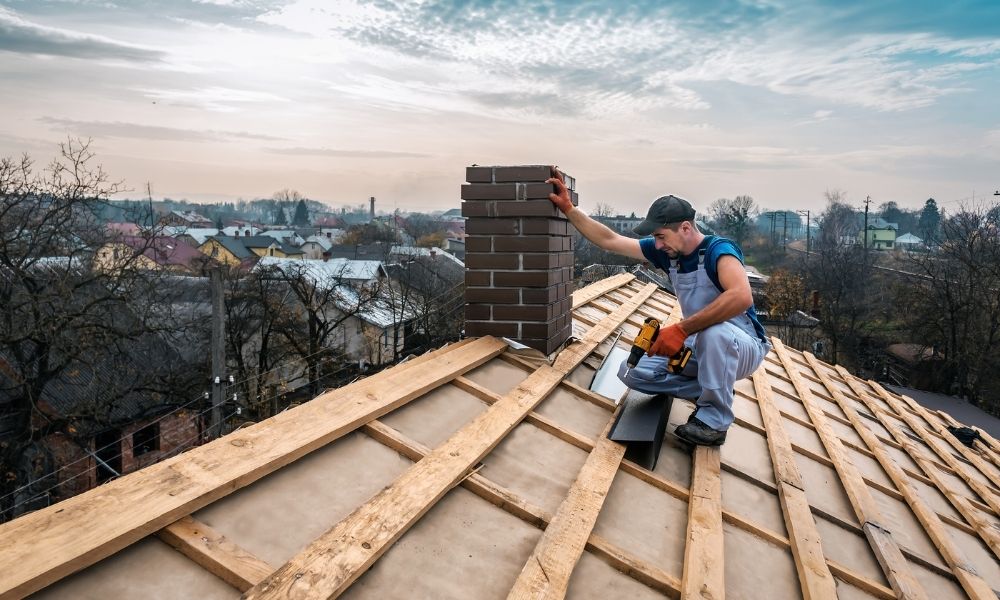
When you consider energy savings, home comfort, and increased property value, a roof replacement can be a wise choice. You might not realize how much a new roof can impact your utility bills and overall energy efficiency. By replacing an aging roof, you can tackle issues like leaks and poor insulation while enhancing your home’s appearance. But what types of materials are available, and how do they specifically contribute to savings? Understanding these factors can make all the difference in your investment.
Importance of Energy Efficiency
Energy efficiency is crucial for homeowners looking to reduce their utility bills and minimize their environmental impact. By implementing sustainability practices, you can significantly lower energy consumption and enhance your home’s overall comfort.
One effective way to start this journey is through energy audits, which assess your home’s energy use and identify areas for improvement. These audits not only highlight inefficiencies but also suggest practical solutions, such as upgrading insulation or installing energy-efficient windows.
Investing in energy efficiency not only saves you money in the long run but also contributes to a healthier environment. So, take the initiative to evaluate your energy usage and embrace strategies that promote sustainability; your wallet—and the planet—will thank you.
Signs Your Roof Needs Replacement
Many homeowners might overlook the subtle signs that indicate a roof replacement is on the horizon. If your roof is nearing its expected lifespan, typically 20-25 years, it’s time to assess its condition.
Look for roof leaks or interior stains that suggest structural issues. Shingle damage, like curling or missing pieces, is a red flag. Additionally, moss growth can trap moisture, leading to further damage.
If you notice a sagging roof, it may signal severe problems. High energy bills could indicate ventilation problems and heat loss. Lastly, an unexpected wildlife invasion often means your roof’s integrity is compromised.
Addressing these signs early can save you money and prevent more extensive repairs in the future.
Benefits of Energy-Efficient Roofing
Investing in energy-efficient roofing can significantly enhance your home’s comfort and reduce utility costs. By choosing sustainable materials, you’re not only contributing to environmental preservation but also benefiting from improved insulation and temperature regulation.
Energy-efficient roofs typically have higher energy ratings, which means they reflect more sunlight and absorb less heat. This can lead to lower air conditioning bills during hot months and improved indoor comfort year-round.
Additionally, many energy-efficient roofing options are designed to last longer, reducing the frequency and cost of replacements. When you invest in a roof that prioritizes energy efficiency, you’re making a smart financial choice that pays off in both short-term savings and long-term benefits for your home and the planet.
Types of Energy-Efficient Roofing Materials
When considering energy-efficient roofing options, it’s important to understand the various materials available that can enhance your home’s performance.
Metal roofing is a top choice, offering durability and excellent insulation properties. Its reflective surface helps reduce heat absorption, keeping your home cooler in the summer. Additionally, metal is a sustainable material, often made from recycled content and fully recyclable at the end of its life cycle.
Other sustainable materials include asphalt shingles with high recycled content and eco-friendly tiles designed for energy efficiency. Choosing these materials not only lowers your energy bills but also contributes to a healthier environment.
Cool Roofs and Their Advantages
If you’re looking to boost your home’s energy efficiency, cool roofs could be a game changer.
These roofs reflect more sunlight and absorb less heat, leading to enhanced energy savings and improved indoor comfort.
Enhanced Energy Savings
A cool roof can significantly enhance energy savings for homeowners and businesses alike. By reflecting more sunlight and absorbing less heat, these roofs reduce the need for air conditioning, directly lowering your energy bills.
The roof color influence plays a crucial role here; lighter colors can dramatically improve energy efficiency compared to darker shades.
Additionally, if you’re considering solar panel integration, a cool roof can boost the performance of your solar system. With lower temperatures, your panels operate more efficiently, maximizing energy production.
Investing in a cool roof not only contributes to immediate savings but also provides long-term benefits, making it a smart choice for anyone looking to improve energy efficiency while maintaining comfort and sustainability.
Improved Indoor Comfort
Cool roofs not only enhance energy savings but also significantly improve indoor comfort. By reflecting more sunlight, these roofs help maintain a stable indoor temperature, promoting thermal comfort across your living spaces.
You’ll notice a difference, especially during hot summer months when traditional roofs can trap heat, making your home feel stifling. Moreover, cool roofs contribute to humidity control, reducing moisture buildup that can lead to mold and discomfort.
This not only keeps your environment healthier but also enhances your overall well-being. Investing in a cool roof means you’re not just cutting energy costs; you’re also creating a more pleasant and enjoyable home atmosphere.
You deserve a comfortable living space, and a cool roof is a smart way to achieve that.
Insulation and Ventilation Considerations
Your roof’s insulation and ventilation play crucial roles in determining the overall energy efficiency of your home. Proper insulation types, such as spray foam or fiberglass, help maintain your indoor temperature, reducing the load on your heating and cooling systems.
Meanwhile, effective ventilation systems prevent moisture build-up, which can lead to mold and structural damage.
Consider these three key aspects:
- Insulation R-value: Higher R-values indicate better thermal resistance, essential for energy savings.
- Ventilation balance: An equal exchange of air keeps your attic cool and prevents heat from escaping.
- Air sealing: Properly sealing gaps enhances both insulation performance and ventilation efficiency.
Impact on Heating and Cooling Costs
Energy efficiency directly influences heating and cooling costs, making it essential to understand how your roof replacement can affect these expenses.
A new roof, coupled with improved roof insulation, significantly reduces energy loss during both winter and summer months. When you invest in high-quality materials, you enhance your home’s ability to maintain temperature, which means your heating and cooling systems won’t have to work as hard.
This not only leads to lower energy bills but also extends the lifespan of your HVAC system. By preventing drafts and thermal bridging, you’ll create a more comfortable living environment.
Long-Term Savings From Roof Replacement
When contemplating the financial implications of roof replacement, it’s crucial to recognize the substantial long-term savings that can result.
Investing in a new roof not only enhances your home’s value but also leads to significant financial benefits over time.
Here are three ways to maximize your savings:
- Reduced Energy Bills: A new roof can improve insulation, lowering heating and cooling costs.
- Lower Maintenance Costs: New materials often require less upkeep, reducing repair expenses.
- Increased Home Value: A quality roof boosts curb appeal and resale value, aiding in future financial planning.
Choosing the Right Roofing Contractor
Choosing the right roofing contractor is crucial for ensuring a successful roof replacement.
You should verify credentials and experience, request detailed estimates, and assess warranty options to make an informed decision.
Taking these steps won’t only protect your investment but also enhance your home’s energy efficiency.
Verify Credentials and Experience
Finding the right roofing contractor requires careful scrutiny of their credentials and experience. Ensuring you hire a qualified professional can significantly impact your roof replacement project.
Here are three key steps to verify contractor qualifications effectively:
- Check Licensing and Insurance: Confirm that the contractor has the necessary licenses and insurance to operate in your area. This protects you from liability.
- Request References: Ask for a list of previous clients and follow up to gauge their satisfaction. It’s a great way to assess the contractor’s reliability and workmanship.
- Evaluate Experience: Look for contractors with a proven track record in roof replacements. Experience verification can indicate their ability to handle unforeseen challenges during your project.
Taking these steps can ensure you choose a contractor who meets your needs and expectations.
Request Detailed Estimates
Requesting detailed estimates from potential roofing contractors is crucial for making an informed decision. When you receive these estimates, ensure they include a breakdown of costs associated with different roofing materials. This allows for effective cost comparison and helps you understand what you’re really paying for.
Look for transparency in labor costs, material quality, and any additional fees. A detailed estimate not only clarifies your financial commitment but also highlights the value each contractor brings.
Don’t hesitate to ask questions about the estimates; this can reveal their expertise and customer service approach. By thoroughly evaluating these estimates, you position yourself to choose the best contractor, ensuring your investment in a new roof pays off in energy efficiency and long-term savings.
Assess Warranty Options
Once you’ve gathered detailed estimates and evaluated potential contractors, it’s time to consider the warranty options they offer. A strong warranty can save you money and stress down the line, so pay attention to the details.
Here are three key factors to consider:
- Warranty Coverage: Understand what aspects of your roof are covered, including materials and workmanship.
- Claim Process: Ensure the claim process is straightforward and well-defined; complicated claims can lead to frustration when issues arise.
- Duration: Check how long the warranty lasts and if it’s transferable; this can add value should you decide to sell your home.
Additional Home Improvements for Efficiency
When considering ways to enhance your home’s energy efficiency, it’s essential to explore additional improvements beyond just roof replacement.
Start with an energy audit to identify areas needing attention. Upgrading your windows can prevent heat loss, while smart thermostats optimize energy use.
Consider installing solar panels to harness renewable energy, reducing your utility bills.
Don’t overlook HVAC maintenance and insulation upgrades; both play a crucial role in minimizing energy waste.
Additionally, choose energy-efficient appliances and lighting improvements to lower consumption.
Lastly, thoughtful landscaping choices can provide shade, further cooling your home.
Integrating home automation can streamline these efforts, making it easier to manage your energy use.
Each improvement contributes to a more efficient, cost-effective home.
Why You Choose Pure Energy Roofing Company
Located in Brighton, MI, Pure Energy Roofing Company is a trusted family-run business specializing in roofing services across Southeast Michigan, including Ann Arbor. Owned by Adrian Beavers and Matt Masters, they excel in roof replacement, roof repair, storm damage restoration, gutter replacement, and attic insulation. Their Owens Corning certification is a testament to their dedication to quality and reliability.
Conclusion
Investing in a new roof isn’t just a patch-up job; it’s a smart move that can pay off in spades. By opting for energy-efficient materials, you’ll not only boost your home’s value but also cut down on those pesky utility bills. Remember, a well-insulated roof can keep your home cozy and your wallet happy. So, why wait? Take the leap towards a more sustainable and cost-effective living space today, and watch your savings grow!


