
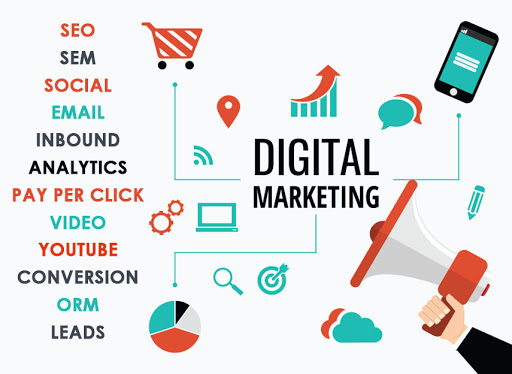
Ecommerce marketing is a critical component of any online business. As the digital landscape evolves, staying ahead of trends and optimizing your strategies is essential to staying competitive. The key to success lies in leveraging the right marketing tactics that engage customers, drive sales, and build long-term brand loyalty. In this guide, we’ll explore effective ecommerce marketing strategies that are aligned with the latest trends and Google algorithms, ensuring you reach your target audience and achieve sustained growth.
What is Ecommerce Marketing?
Ecommerce marketing refers to the tactics used by online businesses to promote their products or services to customers. This includes a wide range of strategies such as search engine optimization (SEO), paid advertising, social media marketing, email campaigns, and influencer partnerships. The goal is to increase traffic to your ecommerce website, convert visitors into paying customers, and retain them for repeat business.
The Changing Landscape of Ecommerce Marketing
Ecommerce marketing has changed significantly over the past few years. New technologies, consumer behavior shifts, and platform algorithms have all impacted how businesses reach their audience. Google’s focus on user experience (UX), mobile-first indexing, and quality content has reshaped SEO strategies. In 2024, businesses must optimize their ecommerce marketing efforts to align with these updates to succeed.
Here are some key trends driving ecommerce marketing:
- Mobile Commerce: With more consumers shopping via mobile devices, mobile-friendly websites and seamless checkout experiences are crucial.
- Personalization: Customizing your marketing efforts based on user data is now expected. Consumers want relevant product recommendations, personalized emails, and targeted ads.
- Voice Search Optimization: As voice assistants like Siri and Alexa grow in popularity, optimizing for voice search will give you a competitive edge in ecommerce marketing.
- Sustainability and Ethical Shopping: Consumers are becoming more conscious of their purchases. Ecommerce businesses that prioritize sustainability and ethical practices can attract more loyal customers.
Key Ecommerce Marketing Strategies for Success
1. Search Engine Optimization (SEO)
SEO is at the heart of any ecommerce marketing strategy. Optimizing your website for search engines like Google increases your visibility and attracts organic traffic. Here are some tips to optimize your ecommerce site:
- Product Pages Optimization: Ensure your product pages are optimized with relevant keywords. Include clear product descriptions, high-quality images, and video content if possible.
- Use Structured Data: Implement schema markup on your product pages. This helps search engines understand your content and display rich snippets in search results.
- Optimize for Featured Snippets: Aim to provide clear, concise answers to commonly searched questions in your product descriptions and blog posts.
- Mobile Optimization: With mobile-first indexing, ensuring your website is mobile-friendly is a must for ecommerce success.
2. Paid Advertising
Paid advertising allows you to get immediate visibility for your ecommerce business. Platforms like Google Ads, Facebook Ads, and Instagram Ads provide highly targeted options to reach your audience.
- Google Shopping Ads: These ads display your product image, price, and store name directly in Google search results, making them a powerful tool for driving sales.
- Retargeting: Use retargeting ads to re-engage visitors who have abandoned their shopping cart or browsed your products but haven’t made a purchase. This keeps your brand top of mind and encourages conversions.
- Social Media Ads: Running paid ads on platforms like Facebook, Instagram, and Pinterest can be effective for driving traffic and sales, especially if your products appeal to a specific niche.
3. Social Media Marketing
Social media is a powerful tool for ecommerce marketing. It allows you to engage with your audience directly, promote products, and build a loyal community.
- Content Strategy: Create valuable content that resonates with your target audience. Use a mix of images, videos, and blog posts to showcase your products in use and tell your brand’s story.
- Influencer Marketing: Collaborating with influencers in your industry can help expand your reach and build credibility. Make sure to choose influencers who align with your brand values.
- Shoppable Posts: Platforms like Instagram and Facebook offer shoppable posts, which allow users to purchase directly from your posts without leaving the platform.
4. Email Marketing
Email marketing remains one of the most effective ways to nurture relationships with your ecommerce customers. It provides a direct line of communication and is highly customizable.
- Welcome Emails: Set up automated welcome emails that introduce your brand, highlight best-selling products, and offer a discount or promotion.
- Abandoned Cart Emails: Send targeted emails to customers who have abandoned their carts. Include a personalized message and potentially a discount code to encourage them to complete their purchase.
- Product Recommendations: Use customer data to send personalized product recommendations based on past purchases or browsing behavior.
5. Influencer and Affiliate Marketing
Influencer and affiliate marketing have proven to be highly effective for ecommerce businesses. By partnering with influencers and affiliates who have a strong following, you can tap into new audiences and drive sales.
- Influencers: Collaborate with influencers whose followers align with your target market. They can help promote your products through social media, blogs, or YouTube videos.
- Affiliate Marketing: Set up an affiliate program where affiliates earn a commission for driving sales to your site. This model encourages affiliates to promote your products actively.
6. Content Marketing
Content marketing is a great way to establish your authority in your niche and attract organic traffic. It’s about providing value to your audience through informative, entertaining, or educational content.
- Blog Posts: Regularly publish blog posts that address customer pain points or provide helpful product information. Use your target keywords in a natural way, without keyword stuffing.
- User-Generated Content: Encourage customers to share photos and reviews of your products on social media. This helps build trust and social proof.
- Video Content: Create product tutorials, unboxings, or behind-the-scenes videos to engage your audience and demonstrate the value of your products.
7. Conversion Rate Optimization (CRO)
Once you’ve driven traffic to your site, the next step is converting that traffic into customers. CRO focuses on improving the user experience to increase conversions.
- A/B Testing: Regularly test different versions of your landing pages, product pages, and checkout process to see what drives the best results.
- Clear Calls to Action: Ensure your website has clear and compelling calls to action (CTAs) that guide users through the purchasing process.
- Simplify Checkout: Reduce friction in your checkout process by minimizing form fields, offering multiple payment options, and displaying trust signals (e.g., security badges).
8. Customer Retention and Loyalty
Ecommerce marketing isn’t just about attracting new customers—it’s also about retaining the ones you already have.
- Loyalty Programs: Reward your repeat customers with points, discounts, or exclusive offers. This can encourage them to keep coming back.
- Personalized Communication: Use customer data to send personalized emails, product recommendations, and discounts that make customers feel valued.
- Excellent Customer Service: Providing excellent customer support before, during, and after a purchase can significantly impact customer retention. Offer easy returns, quick response times, and proactive service.
Ecommerce Marketing and Google’s Latest Algorithms
Google’s algorithms are continuously updated to provide users with the best possible search results. To keep up with these changes, it’s important to focus on providing high-quality content, enhancing user experience, and ensuring your site is technically sound.
- Core Web Vitals: Google has made Core Web Vitals a ranking factor. This means that your site’s loading speed, interactivity, and visual stability are now more important than ever. Use tools like Google PageSpeed Insights to optimize these elements.
- E-A-T (Expertise, Authoritativeness, Trustworthiness): Google rewards websites that demonstrate expertise, authoritativeness, and trustworthiness. Ensure your product descriptions, content, and customer reviews are high quality.
- AI and Automation: As AI continues to evolve, integrating automated marketing tools can help you streamline your ecommerce marketing efforts, from email marketing to personalized recommendations.
Conclusion
Ecommerce marketing is an ever-changing field that requires businesses to stay on top of trends and adapt to new technologies. By implementing the strategies outlined in this guide, you can effectively reach your target audience, increase sales, and build long-lasting relationships with your customers. Whether through SEO, paid advertising, or content marketing, your approach should be centered around providing value, improving user experience, and staying aligned with Google’s latest algorithms.


