
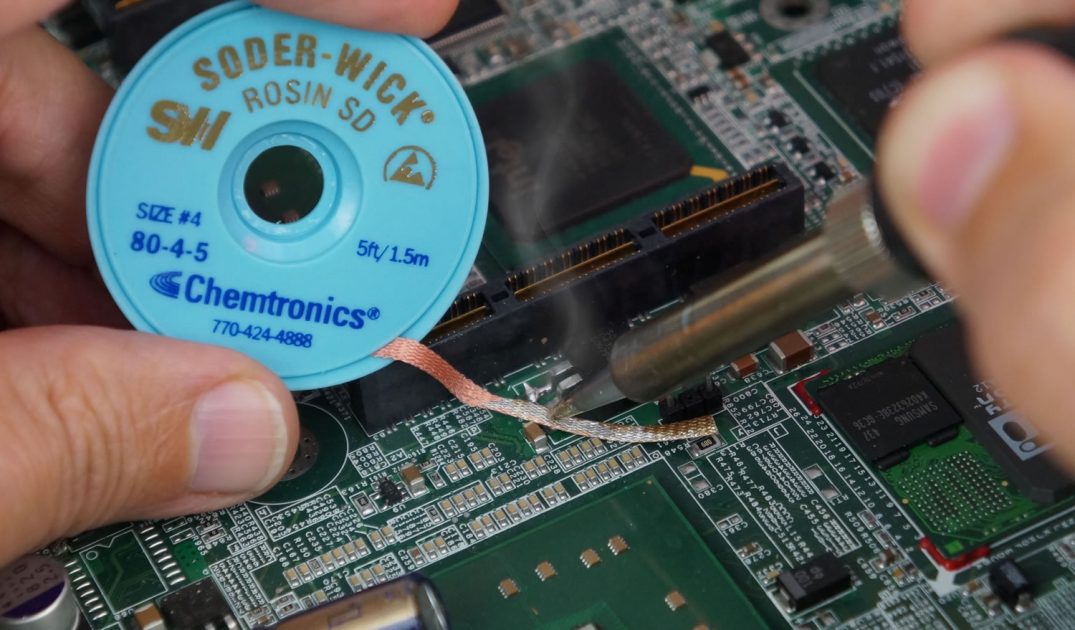
Soldering is an essential skill in electronics repair, circuit board work, and DIY projects. One tool that is frequently used in soldering tasks is the best solder wick. Also known as desoldering braid, solder wick is a highly useful component for removing solder from joints and traces during repairs or modifications. But with so many options available on the market, how do you choose the best solder wick for your projects? In this guide, we will explore everything you need to know about solder wick, including its uses, types, and our top recommendations.
What is Solder Wick?
Solder wick is a fine braid of copper wire that is coated with flux. It is designed to absorb molten solder when heat is applied, effectively removing excess solder from joints and traces on a circuit board. It is an indispensable tool for various soldering tasks, particularly for desoldering, cleaning up messy soldering jobs, or reworking faulty connections.
When you place a heated soldering iron over the solder wick, the heat causes the solder to melt, and the copper braid draws up the solder through capillary action. This allows you to remove solder from areas where it shouldn’t be or to fix solder bridges.
How Does Solder Wick Work?
When using solder wick, the process is relatively simple but requires precision. Here’s a breakdown of how it works:
- Preparation: Cut a length of solder wick from the roll. The length you use will depend on the area you need to clean up.
- Positioning: Place the solder wick over the solder joint that needs to be desoldered.
- Heating: Place the tip of a heated soldering iron on top of the solder wick. The heat will melt the solder beneath it.
- Absorption: As the solder melts, it is absorbed into the copper braid due to capillary action. You’ll need to hold the soldering iron in place for a few seconds to allow the wick to absorb the molten solder.
- Cleanup: Once the solder is absorbed into the wick, remove the soldering iron and the wick. You may need to repeat the process if there’s still residual solder.
While it may seem straightforward, using the right solder wick and the correct technique is essential for effective desoldering without damaging the circuit board or components.
Features to Consider When Buying Solder Wick
When looking for the best solder wick, there are several factors to keep in mind to ensure you get the right product for your needs.
1. Copper Quality
The quality of the copper braid in the solder wick plays a crucial role in its effectiveness. High-quality copper provides better conductivity, which ensures faster and more efficient solder absorption. Copper that’s too thin or low-quality may not work as well and may even cause damage to the PCB due to excessive heat.
2. Flux Content
Flux is the key ingredient in solder wick. It helps to melt and absorb the solder effectively. The higher the flux content, the better the solder wick will perform. Some solder wick products come with no-clean flux, which is ideal for projects where you want to avoid residue that needs cleaning after desoldering.
3. Thickness
Solder wick comes in a variety of thicknesses. Thicker wick is better suited for large joints or areas with significant amounts of solder, while thinner wicks work better for fine-pitch components or small solder joints. Choose a wick thickness based on the scale of your soldering or desoldering job.
4. Length
Solder wick typically comes in rolls or spools, and the length varies depending on the brand and product. For most general-purpose use, a 1-3 meter roll should suffice, but if you do a lot of soldering work, consider purchasing longer rolls.
5. Cleanliness of the Wick
A clean, properly fluxed wick will reduce the risk of leftover residue or contamination. It’s also important to consider how well the wick works with your specific soldering iron. A wick with low-quality flux or contamination may not work as efficiently, leading to frustration during desoldering.
6. Brand Reputation
The reputation of the manufacturer can often tell you a lot about the quality of the solder wick. Well-known and trusted brands tend to produce higher-quality products. Be sure to read reviews and recommendations to find brands that provide the best soldering experience.
Best Solder Wick: Top 5 Picks
With so many solder wick products available, it’s important to find one that meets your specific needs. Here are our top recommendations based on performance, value, and user feedback.
1. Kester 44 Rosin Solder Wick
Kester is one of the most well-known and trusted names in the soldering industry, and their Kester 44 Rosin Solder Wick is a top choice for both professionals and hobbyists. It features a high-quality copper braid and a rosin flux coating that makes it ideal for removing solder from printed circuit boards. The wick is easy to use and absorbs solder effectively with minimal heat, making it suitable for delicate components.
- Pros: Excellent performance, reliable brand, ideal for high-precision desoldering
- Cons: Slightly more expensive than other brands
- Best for: High-end and professional applications
2. Weller Solder Wick
Weller is another reputable name in soldering tools, and their solder wick is widely regarded for its high-quality construction. It features a fine copper braid with flux that ensures effective solder absorption. The Weller solder wick is available in different thicknesses, making it versatile enough for both fine and heavy-duty desoldering tasks.
- Pros: Consistent quality, available in various sizes
- Cons: May leave a little more residue than some other options
- Best for: General-purpose use in electronics and circuit board repair
3. MG Chemicals Solder Wick
MG Chemicals offers a highly reliable solder wick that’s known for its high-quality copper braid and low-residue flux. The MG Chemicals solder wick is perfect for sensitive electronic components and can be used for both hobby and professional desoldering tasks. It also works well with both leaded and lead-free solder.
- Pros: Low residue, ideal for small components, good for both leaded and lead-free solder
- Cons: Can be a little more expensive than other options
- Best for: Small and intricate desoldering jobs
4. Hakko Solder Wick (CW-220)
Hakko is another leading brand in the soldering world, known for its premium soldering tools. The Hakko CW-220 Solder Wick is a great choice for anyone looking for a reliable and high-performance wick. It features a high-quality flux coating and a fine copper braid that makes it easy to remove solder without damaging delicate components.
- Pros: Premium performance, excellent flux coating
- Cons: Slightly pricier compared to budget brands
- Best for: Precision electronics work
5. Chinly Solder Wick
Chinly is a popular budget option for those who want a reliable solder wick at a lower price point. While it may not offer the premium features of more expensive brands, Chinly’s solder wick does the job well for most basic desoldering needs. It works well for both fine and heavy-duty applications, making it a versatile option for hobbyists.
- Pros: Affordable, decent quality for the price
- Cons: Less efficient than premium brands for very fine work
- Best for: DIYers and hobbyists on a budget
How to Use Solder Wick Effectively
To get the best results from your solder wick, follow these steps:
- Heat your soldering iron to the appropriate temperature (usually around 350°C or 660°F).
- Place the solder wick on the solder joint that needs desoldering.
- Apply the soldering iron on top of the wick to heat the solder beneath it.
- Wait a few seconds until the solder melts and is absorbed into the wick.
- Remove the iron and the wick. Allow the joint to cool.
- Inspect the joint to ensure all solder is removed, and repeat if necessary.
Conclusion
Choosing the best solder wick is crucial for effective soldering and desoldering tasks. It can significantly impact the success of your projects, whether you are working on fine electronics or repairing circuit boards. Look for a wick that meets your specific needs in terms of quality, flux content, and thickness. Our top picks, including Kester, Weller, MG Chemicals, Hakko, and Chinly, offer a variety of choices depending on your requirements.
FAQs
- Can I reuse solder wick?
No, solder wick is meant for single-use only. Once it has absorbed solder, it cannot be reused. - How do I remove solder from small components?
For small components, use a fine solder wick and apply heat carefully to avoid damaging the components. You can also use a desoldering pump along with the wick for better results. - What if the solder wick is not absorbing solder?
Ensure the soldering iron is hot enough, and the solder wick is clean. If the issue persists, consider using a higher-quality wick or checking the condition of the iron. - How can I clean the residue left by solder wick?
Most high-quality solder wick leaves minimal residue, but if necessary, use isopropyl alcohol and a brush to clean up any flux residue. - Is solder wick safe to use?
Yes, solder wick is safe to use when handled properly. Just ensure you’re working in a well-ventilated area to avoid inhaling fumes from the flux.


