
Can AI Assess Creativity? Redefining Student Potential Beyond Test Scores
Can AI Assess Creativity? Redefining Student Potential Beyond Test Scores

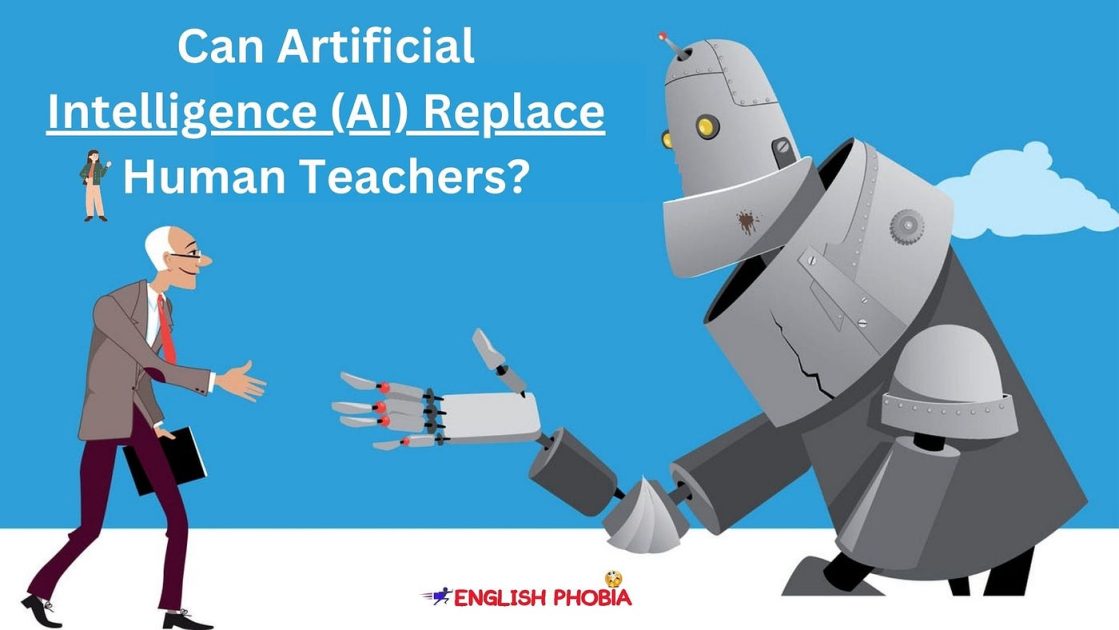
In today’s rapidly evolving educational landscape, traditional assessment methods often fall short of capturing the full spectrum of a student’s capabilities. While standardized tests may measure rote memorization and basic comprehension, they often neglect the more nuanced aspects of learning, such as creativity and critical thinking. This article explores the role of Artificial Intelligence (AI) in assessing creativity and redefining student potential beyond mere test scores. Additionally, we will discuss how this advancement impacts programs like fast learner courses for business individuals.
Understanding Creativity in Education
Defining Creativity
Creativity is a multifaceted skill that encompasses the ability to think outside the box, generate innovative ideas, and solve problems in unique ways. In the context of education, creativity involves not just artistic expression but also the capacity to approach challenges with a fresh perspective.
The Importance of Creativity
Fostering creativity in students is crucial for preparing them for the complexities of the modern workforce. Creative individuals are often better equipped to navigate ambiguity, collaborate effectively, and adapt to change—skills that are increasingly valued in various industries.
The Limitations of Traditional Assessments
Narrow Focus of Standardized Testing
Standardized tests have long been the cornerstone of educational assessment. However, they primarily focus on quantifiable metrics, such as math and reading scores, and do not adequately evaluate a student’s creative abilities.
1. Missing the Bigger Picture
By concentrating on a narrow range of skills, traditional assessments may overlook the unique talents and potential of individual students. This limitation can result in a lack of motivation among students who excel in creative pursuits but struggle with standardized testing.
The Need for Holistic Evaluation
To fully understand a student’s abilities, educators must adopt more holistic evaluation methods that encompass creativity, critical thinking, and problem-solving skills. This approach recognizes that each student has unique strengths and weaknesses.
The Role of AI in Assessing Creativity
AI-Powered Creative Assessments
AI technology has the potential to revolutionize how we assess creativity in educational settings. By leveraging advanced algorithms and machine learning, AI can analyze student work to identify patterns and trends that indicate creative thinking.
1. Analyzing Creative Output
AI can evaluate various forms of creative output, such as writing, artwork, and project-based assignments. By examining these artifacts, AI can provide insights into a student’s creative process, including their ability to generate novel ideas and connect disparate concepts.
Providing Personalized Feedback
AI-driven assessment tools can offer personalized feedback tailored to each student’s unique creative style. This feedback encourages students to explore their creativity further and refine their skills.
1. Encouraging Growth Mindset
By providing constructive feedback rather than focusing solely on grades, AI assessments can foster a growth mindset among students. This mindset encourages learners to embrace challenges and view failures as opportunities for growth.
Integrating Creativity Assessment into Learning Pathways
Aligning Assessments with Learning Objectives
To effectively measure creativity, assessments must align with the learning objectives of the curriculum. Educators should design assessments that challenge students to think critically and creatively.
1. Project-Based Learning
Incorporating project-based learning into the curriculum allows students to apply their creativity in real-world contexts. AI can evaluate the outcomes of these projects and provide insights into individual students’ creative processes.
Fast Learner Courses for Business Individuals
As businesses increasingly value creativity and innovation, educational programs like fast learner courses for business individuals are evolving to meet these demands. These courses focus on developing skills such as creative problem-solving and design thinking, which are essential for success in today’s dynamic work environment.
1. Blending AI Assessments with Fast Learner Courses
Integrating AI assessments into these fast learner courses can enhance the learning experience by providing real-time feedback and insights. By understanding their creative strengths and areas for improvement, participants can tailor their learning experiences to maximize their potential.
Challenges and Considerations
Ethical Implications of AI Assessments
While AI presents exciting possibilities for assessing creativity, there are ethical considerations to address. Relying too heavily on AI assessments could lead to standardized metrics that do not accurately reflect a student’s creative potential.
1. The Human Element
It’s essential to balance AI assessments with human judgment. Educators must remain involved in the assessment process, using AI as a tool to enhance their understanding rather than as a sole determinant of student success.
Ensuring Accessibility
For AI-driven assessments to be effective, they must be accessible to all students. Schools should ensure that every learner has the opportunity to engage with creative assessments, regardless of their background or resources.
Conclusion: Embracing a New Era of Assessment
As we continue to explore the role of AI in education, it is clear that creativity should be a fundamental component of student assessment. By moving beyond traditional test scores and embracing more holistic evaluation methods, educators can better support the diverse talents of their students.
Programs like fast learner courses for business individuals exemplify the shift towards valuing creativity and critical thinking in education. These courses, paired with AI-driven assessments, can help individuals harness their creative potential and thrive in their careers.
For more insights into the evolving landscape of education and technology, be sure to check out our tech blog for ongoing discussions and resources.