
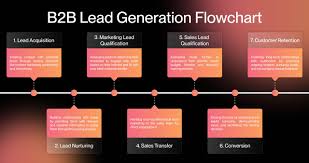
In today’s highly competitive business environment, mastering B2B lead generation is essential for long-term success. B2B lead generation refers to the process of attracting and converting potential business clients into leads who show interest in your products or services. For businesses aiming to grow, a robust strategy is key to creating a steady flow of high-quality leads, nurturing them, and turning them into loyal customers.
This guide will explore the elements that contribute to a successful B2B lead generation strategy and provide actionable steps to implement one that supports long-term growth.
Understanding B2B Lead Generation: Why It’s Different
Before diving into the strategies, it’s essential to understand the fundamental differences between B2B and B2C lead generation. While B2C marketing typically focuses on appealing to individual consumers, B2B lead generation targets entire organizations. The decision-making process in B2B often involves multiple stakeholders, longer sales cycles, and more complex purchasing journeys. This means that successful B2B lead generation strategies need to be more focused on building relationships, providing value, and nurturing leads over time.
Key Components of a B2B Lead Generation Strategy
Building a winning B2B lead generation strategy requires a well-rounded approach. Several key components need to be in place for the strategy to be effective.
1. Define Your Ideal Customer Profile (ICP)
The first step in any B2B lead generation strategy is to define your Ideal Customer Profile (ICP). The ICP is a detailed description of the type of company that would benefit the most from your product or service. It typically includes factors such as:
- Company size
- Industry
- Revenue
- Geographic location
- Pain points or challenges
- Buying behavior
Having a clear understanding of your ICP helps you target the right businesses and ensures that your lead generation efforts are focused on attracting high-quality leads. By narrowing down your target audience, you increase the likelihood of converting leads into paying customers.
2. Leverage Multiple Lead Generation Channels
Relying on one lead generation channel is risky. A diverse approach ensures that you reach potential leads across multiple platforms. Here are some of the most effective channels for B2B lead generation:
Content Marketing
Content marketing plays a significant role in attracting and educating potential leads. By creating high-quality, informative content such as blog posts, white papers, case studies, and eBooks, you can position your company as a thought leader in your industry. The content should address the pain points and challenges of your target audience while offering solutions that showcase your expertise.
To ensure that your content marketing efforts are aligned with your B2B lead generation goals, include strong calls-to-action (CTAs) that encourage visitors to take the next step, such as downloading a resource or signing up for a demo.
Email Marketing
Email marketing remains one of the most powerful tools for B2B lead generation. Through personalized email campaigns, you can nurture leads by sending them relevant content and updates that keep them engaged. Automation tools allow you to create drip campaigns, where leads receive a series of emails based on their actions, guiding them through the buyer’s journey.
Segmentation is key to successful email marketing. By categorizing leads based on factors like their industry, role, or behavior, you can deliver targeted messages that resonate with their specific needs.
Social Media Marketing
Social media platforms, particularly LinkedIn, offer immense potential for B2B lead generation. LinkedIn, in particular, is a great place to connect with decision-makers and key stakeholders in your target companies. Regularly sharing valuable content, joining relevant industry groups, and engaging with your audience helps establish your brand’s presence and attract qualified leads.
In addition to organic efforts, consider running paid ads on LinkedIn to reach a more targeted audience. LinkedIn’s advanced targeting options, such as job titles and industries, make it a powerful tool for reaching decision-makers.
SEO (Search Engine Optimization)
SEO is vital for driving organic traffic to your website and ensuring that potential leads can find your business when they’re searching for solutions. By optimizing your website for search engines with relevant keywords, meta descriptions, and high-quality content, you improve your chances of appearing in search results when prospects are looking for products or services like yours.
SEO is a long-term strategy, but it’s one of the most effective ways to attract leads at the top of the funnel. Be sure to include keywords that match the search intent of your target audience, and optimize content for both technical and on-page SEO factors.
Paid Advertising (PPC)
Paid advertising, particularly Pay-Per-Click (PPC) campaigns, can be a highly effective tool for B2B lead generation. Google Ads and LinkedIn Ads are popular platforms for B2B companies, allowing you to target specific keywords, industries, or job titles.
PPC ads allow you to drive traffic to landing pages that are specifically designed to capture leads. Ensure that your landing pages have compelling offers, such as a free trial, demo, or downloadable resource, in exchange for lead information.
3. Create a Compelling Value Proposition
Your value proposition is what sets your business apart from the competition. It’s the reason why potential leads should choose your product or service over others. A clear, concise, and compelling value proposition should be front and center on your website, marketing materials, and communications.
When crafting your value proposition, focus on how your solution addresses the pain points of your target audience. Highlight the specific benefits and results your product or service can deliver, and back it up with testimonials, case studies, or statistics to add credibility.
4. Develop a Lead Nurturing Plan
In B2B lead generation, very few leads are ready to make a purchasing decision right away. Lead nurturing is the process of building relationships with prospects over time by providing them with valuable content, information, and interactions that guide them through the sales funnel.
Lead nurturing can be accomplished through:
- Email campaigns: Send personalized emails that offer relevant content based on the lead’s interests or actions.
- Remarketing: Use remarketing ads to stay in front of potential leads who have visited your website but haven’t converted.
- Content sharing: Regularly share educational resources, case studies, and updates that keep leads engaged and informed about how your product or service can solve their problems.
The goal of lead nurturing is to keep your brand top-of-mind while helping leads overcome objections and move closer to making a purchasing decision.
5. Use Data to Optimize and Improve
The most successful B2B lead generation strategies are data-driven. By analyzing performance metrics, you can identify what’s working and what isn’t, allowing you to refine your approach. Key metrics to track include:
- Conversion rates: The percentage of leads that convert into customers.
- Lead sources: Which channels are driving the most high-quality leads?
- Cost per lead: How much are you spending on acquiring each lead?
- Lead nurturing effectiveness: Are your email campaigns, content, and remarketing efforts successfully moving leads through the funnel?
Using CRM and marketing automation tools, businesses can track and measure these metrics, allowing them to continuously optimize their B2B lead generation efforts for better results.
Emerging Trends in B2B Lead Generation for Long-Term Success
As the digital landscape evolves, new trends are shaping the future of B2B lead generation. To stay ahead of the competition and ensure long-term success, businesses should keep an eye on the following trends:
1. Artificial Intelligence (AI) and Machine Learning
AI and machine learning are transforming B2B marketing by offering advanced insights into lead behavior and automating tasks such as lead scoring and personalization. AI-powered tools can analyze large datasets to identify patterns and predict which leads are most likely to convert, allowing businesses to focus their efforts on high-priority prospects.
2. Conversational Marketing
Conversational marketing involves using chatbots, live chat, and other messaging platforms to engage with leads in real-time. These tools allow businesses to provide instant responses to inquiries, capture lead information, and nurture leads through personalized interactions. Conversational marketing is becoming an increasingly popular method for B2B lead generation, as it creates a more personalized experience and speeds up the lead qualification process.
3. Account-Based Marketing (ABM)
ABM is a highly targeted approach to B2B lead generation that focuses on creating personalized marketing campaigns for specific accounts. By identifying high-value accounts and tailoring marketing efforts to their specific needs, businesses can increase their chances of winning big deals. ABM requires a deep understanding of the target account and a coordinated effort between marketing and sales teams to deliver a cohesive message.
Conclusion
Building a winning B2B lead generation strategy for long-term success requires a combination of proven tactics, the right tools, and a data-driven approach. By defining your ICP, leveraging multiple channels, nurturing leads, and staying agile with emerging trends, you can create a robust lead generation strategy that drives sustainable growth.
In 2024, businesses that prioritize relationship-building, provide value at every stage of the buyer’s journey, and continuously optimize their efforts will be well-positioned to generate high-quality leads and convert them into loyal customers.


