
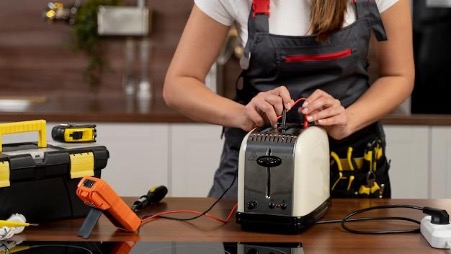
As a homeowner, dealing with appliance issues can be both frustrating and time-consuming. From a malfunctioning dishwasher to a refrigerator that’s not cooling properly, these problems can disrupt your daily routine and leave you scrambling for solutions. However, with the right mindset and a little bit of know-how, many common appliance problems can be easily diagnosed and resolved without the need for costly professional appliance repair services.
In this comprehensive guide, we’ll walk you through the process of troubleshooting and repairing some of the most prevalent appliance issues, empowering you to take control of your home maintenance and save money in the process.
Identifying the Problem: Recognize the Signs
The first step in any successful appliance repair journey is accurately identifying the problem at hand. By familiarizing yourself with the common signs of appliance issues, you can quickly pinpoint the source of the trouble and take the necessary steps to address it.
For example, if your refrigerator is not cooling effectively, you may notice that the interior temperature is significantly warmer than usual, or that your food is spoiling more quickly than it should. A dishwasher that’s not cleaning properly may leave behind visible residue or food particles on your dishes.
Troubleshooting Techniques: Methodical Approach
Once you’ve identified the problem, it’s time to put on your detective hat and begin the troubleshooting process. Approach this methodically, working through a series of logical steps to isolate the root cause of the issue.
Start by checking the obvious, ensure that the appliance is properly plugged in, the circuit breaker hasn’t tripped, and any necessary water or gas connections are secure. If these basic checks don’t resolve the problem, delve deeper into the appliance’s internal components, referring to the manufacturer’s instructions or online repair guides for guidance.
DIY Repair Strategies: Simple Solutions
Depending on the nature of the problem, many appliance issues can be resolved through simple DIY repair strategies. This may involve replacing a faulty part, cleaning or unclogging components, or making minor adjustments to the appliance’s settings or controls.
For instance, a clogged drain line or a malfunctioning water inlet valve could be the culprit behind a dishwasher that’s not draining properly. In such cases, a thorough cleaning or a quick part replacement could restore the appliance’s functionality. Similarly, a refrigerator that’s not cooling effectively may simply need a cleaning of the condenser coils to improve airflow and efficiency.
Knowing Your Limits: Call Professional Help for Appliance Repair
While DIY appliance repair can be a cost-effective and rewarding attempt, it’s important to recognize your own limitations and know when to call in the professionals. Some issues may require specialized tools, intricate knowledge of the appliance’s inner workings, or the ability to safely handle electrical or gas-related components.
If you find yourself facing a problem that’s beyond your comfort level or expertise, or if you’re simply unsure of how to proceed, it’s always better to err on the side of caution and seek the assistance of a qualified appliance repair technician. They have the training, experience, and equipment necessary to diagnose and resolve even the most complex appliance issues, ensuring the safe and proper functioning of your home’s essential systems.
Conclusion
By following this step-by-step guide to troubleshooting and repairing common appliance problems, you’ll be well on your way to becoming a more self-reliant and cost-conscious homeowner. Remember, with a little bit of patience, diligence, and the right resources, you can tackle many appliance-related challenges and keep your home running smoothly for years to come.


