
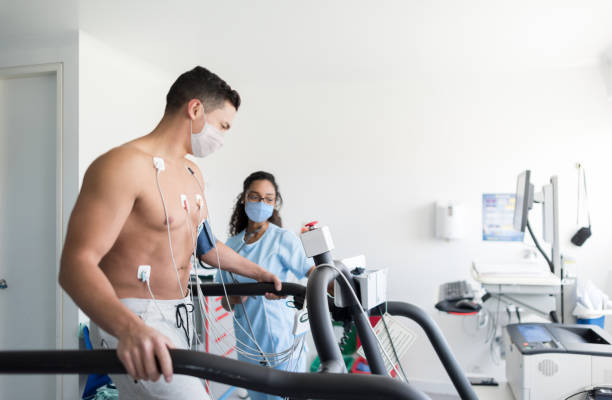
In many industrial and healthcare settings, respirators are a crucial component of personal protective equipment (PPE). They protect workers from inhaling hazardous substances, including airborne pathogens, chemicals, and particulates. However, the effectiveness of a respirator hinges on how well it fits the wearer. This is where respirator fit testing becomes essential. This comprehensive article will explore what respirator fit testing is, why it matters, the methods used, regulatory requirements, and best practices for implementation.
What is Respirator Fit Testing?
Respirator fit testing is a procedure that assesses how well a respirator seals to the face of the wearer. A proper seal is critical for the respirator to function effectively. Without a good fit, contaminants can leak into the respirator, exposing the wearer to potentially harmful substances.
There are two main types of fit testing: qualitative and quantitative. Each has unique methodologies, advantages, and limitations, which we will explore in detail.
The Importance of Fit Testing
Health Protection: Properly fitted respirators are essential for protecting workers from harmful substances. A poor fit can lead to exposure to toxins, which may result in serious health issues, including respiratory diseases, long-term illnesses, and even fatalities.
Regulatory Compliance: Many countries have stringent regulations regarding workplace safety and respirator use. For example, in the United States, the Occupational Safety and Health Administration (OSHA) mandates that employers conduct fit testing for all employees required to wear respirators.
Worker Confidence: Knowing that their respirators fit properly helps to instill confidence in workers. When employees feel safe, they are more likely to perform their jobs effectively and efficiently.
Cost-Effectiveness: By ensuring proper fit and function, organizations can reduce the risk of accidents and health-related absences. This can lead to significant cost savings over time, including reduced healthcare costs and improved productivity.
Types of Respirator Fit Testing
Qualitative Fit Testing (QLFT)
Qualitative fit testing is a subjective test that relies on the wearer’s ability to detect a test agent while wearing the respirator. The process typically involves the following steps:
Preparation: The wearer dons the respirator and performs a series of movements (e.g., turning head side to side, nodding) to ensure a secure fit.
Test Agent Exposure: A test agent, which could be a bitter or sweet substance, is introduced into the environment. Common test agents include Bitrex (bitter) and saccharin (sweet).
Detection Assessment: If the wearer can taste or smell the test agent while wearing the respirator, it indicates that the fit is inadequate. For the test to pass, the wearer must not detect the agent during the exposure.
Advantages of QLFT:
Simplicity: The test can be conducted quickly and without specialized equipment.
Cost-Effective: QLFT is less expensive to administer compared to quantitative methods.
Limitations of QLFT:
Subjectivity: Results can vary based on the wearer’s sensitivity to the test agent.
Limited Applicability: Not suitable for all types of respirators, particularly those requiring a precise fit.
Quantitative Fit Testing (QNFT)
Quantitative fit testing is an objective method that measures the effectiveness of the respirator’s fit using specialized equipment. The process involves the following:
Preparation: Similar to QLFT, the wearer puts on the respirator and performs a series of exercises to establish a baseline.
Measurement: The fit tester uses a machine that quantifies the concentration of a test aerosol inside and outside the respirator. The equipment measures the fit factor, which indicates how well the respirator fits.
Fit Factor Evaluation: A higher fit factor signifies a better seal. Each type of respirator has a required minimum fit factor to ensure adequate protection.
Advantages of QNFT:
Objectivity: Provides reliable, quantifiable results.
Versatility: Suitable for a wide range of respirators, including those requiring a tight fit.
Limitations of QNFT:
Cost: Requires specialized equipment and trained personnel, making it more expensive than qualitative testing.
Time-Consuming: The testing process may take longer than qualitative methods.
The Fit Testing Process
Preparing for Fit Testing
Before conducting fit testing, employers should take several steps:
Select Appropriate Respirators: Ensure that the respirators used in testing are the same type and size as those worn by employees in the workplace.
Educate Employees: Train workers on the importance of respirator fit testing, the procedure, and the need for compliance with safety standards.
Screen for Variables: Identify any factors that may affect the fit, such as facial hair, dental work, or weight changes.
Conducting Fit Testing
Pre-Test Screening: Before beginning the fit test, screen employees for factors that may influence fit. This includes checking for facial hair and skin conditions.
Fit Testing Procedure:
For QLFT: Expose the wearer to the test agent and evaluate their ability to detect it during a series of exercises.
For QNFT: Use specialized equipment to measure the concentration of a test aerosol and calculate the fit factor.
Documenting Results: Record the fit test results, including the type of respirator tested, the fit factor achieved, and any corrective actions taken.
Frequency of Fit Testing
According to OSHA guidelines, fit testing should occur:
Before an employee is required to wear a respirator in the workplace.
Whenever a new type of respirator is introduced.
At least annually, or more frequently if there are changes in the employee’s physical condition (e.g., weight gain or loss, dental work).
Regulatory Guidelines for Fit Testing
In the United States, OSHA’s Respiratory Protection Standard (29 CFR 1910.134) outlines the requirements for respiratory protection programs, including fit testing. Key points include:
Written Respiratory Protection Program: Employers must develop a program that details the selection, use, maintenance, and fit testing of respirators.
Training and Education: Employers are responsible for training employees on the proper use of respirators and the significance of fit testing.
Fit Testing Requirements: The standard mandates that fit testing be conducted using either qualitative or quantitative methods, as appropriate for the respirator used.
Best Practices for Effective Fit Testing
Choose the Right Method: Select the most appropriate fit testing method based on the respirators used and the specific needs of the workforce.
Train Personnel: Ensure that those conducting fit tests are adequately trained in the procedures and equipment used.
Maintain Equipment: Regularly inspect and maintain respirators and fit testing equipment to ensure their effectiveness.
Foster a Safety Culture: Encourage a workplace culture that prioritizes safety. Employees should feel comfortable reporting any fit-related concerns.
Engage Employees: Involve workers in the fit testing process to enhance their understanding of the importance of proper fit and safety measures.
Document and Analyze Results: Keep detailed records of fit test results and analyze them for trends. Use this data to improve respiratory protection programs.
Challenges in Fit Testing
Facial Hair and Other Variables: Facial hair can compromise the seal of a respirator. Employers should establish policies regarding facial hair for employees required to wear tight-fitting respirators.
Individual Variability: Each person’s face is unique, which can affect how well a respirator fits. Employers may need to provide different sizes or models to accommodate individual needs.
Compliance and Documentation: Ensuring compliance with regulations and maintaining accurate documentation can be challenging. An organized record-keeping system can help streamline this process.
Training Gaps: Inadequate training can lead to improper use of respirators. Regular training sessions and refreshers can help ensure that employees understand their responsibilities.
The Future of Respirator Fit Testing
As industries evolve, so too do the methods and technologies related to respirator fit testing. Innovations such as advanced fit testing equipment and improved respirator designs may enhance the accuracy and efficiency of fit testing processes. Moreover, the increasing focus on worker health and safety is likely to drive further advancements in fit testing protocols and compliance requirements.
Conclusion
Respirator fit testing is a critical aspect of workplace safety that protects employees from hazardous airborne contaminants. By understanding the importance of fit testing, the various methods available, and the regulatory requirements, employers can create a safer working environment. Regular fit testing, comprehensive training, and adherence to best practices can significantly reduce the risks associated with respiratory hazards, promoting the health and well-being of the workforce. Ultimately, a commitment to respirator fit testing is an investment in the safety, productivity, and morale of employees, ensuring a compliant and efficient workplace.


